Pest Control
Pantry moths, exterminators and getting rid of household pests
Introduction
Pest control is a critical aspect of maintaining a safe and healthy environment, especially in residential, commercial, and agricultural settings. An infestation of common pests such as rodents, insects, or birds can lead to property damage, health risks, and financial losses. According to the Environmental Protection Agency, pest-related issues cost Americans billions annually in damages and control efforts.
Understanding how to prevent and manage pest problems effectively can reduce risks and save money. With over 20 types of pests capable of causing significant harm or nuisance, employing proper pest control methods remains essential for safeguarding homes and businesses alike.
Definition and core concepts
Pest control involves the management and regulation of species considered undesirable or harmful in particular environments. The primary goal is to eliminate current pests and prevent future infestations. It encompasses a variety of methods, from physical barriers and biological controls to chemical treatments.
Core concepts include identification of pests, understanding their behaviors, and implementing targeted strategies. Effective pest control relies on accurate identification because different pests require different approaches. For example, controlling termites involves different methods compared to managing cockroaches or bed bugs.
Integrated Pest Management (IPM) is a widely accepted framework that emphasizes combining multiple strategies while minimizing the impact on humans and the environment. According to the National Pest Management Association, IPM can reduce pesticide use by 30-50% while maintaining effective control.
Key principles of pest control include early detection, thorough treatment, and ongoing monitoring. Proper pest identification and understanding the pest's life cycle—which can range from days to several years—are essential to developing an effective plan.
How it works
Pest control works by disrupting the pest's ability to survive and reproduce. Treatment methods can be physical, biological, chemical, or a combination thereof. The initial step involves inspecting the property to identify pest types, extent of infestation, and possible entry points.
Physical control measures include traps, barriers, and habitat modification. For instance, sealing cracks and holes prevents pests like rodents and insects from entering buildings. Removing food sources and water accumulation also discourages pest activity.
Biological control leverages natural predators or pathogens to reduce pest populations. For example, introducing ladybugs to control aphids or using Bacillus thuringiensis (Bt) bacteria to target specific insect larvae can be environmentally friendly options.
Chemical control includes the application of pesticides, which target pests at different life stages. Pesticides are categorized into residual, contact, or bait products. The choice depends on the pest species, infestation severity, and safety considerations.
Advanced technologies such as insect growth regulators, fumigation, and thermal treatments offer specialized solutions. Monitoring devices equipped with sensors can detect pest activity, allowing for timely intervention and reducing unnecessary chemical use.
Practical application
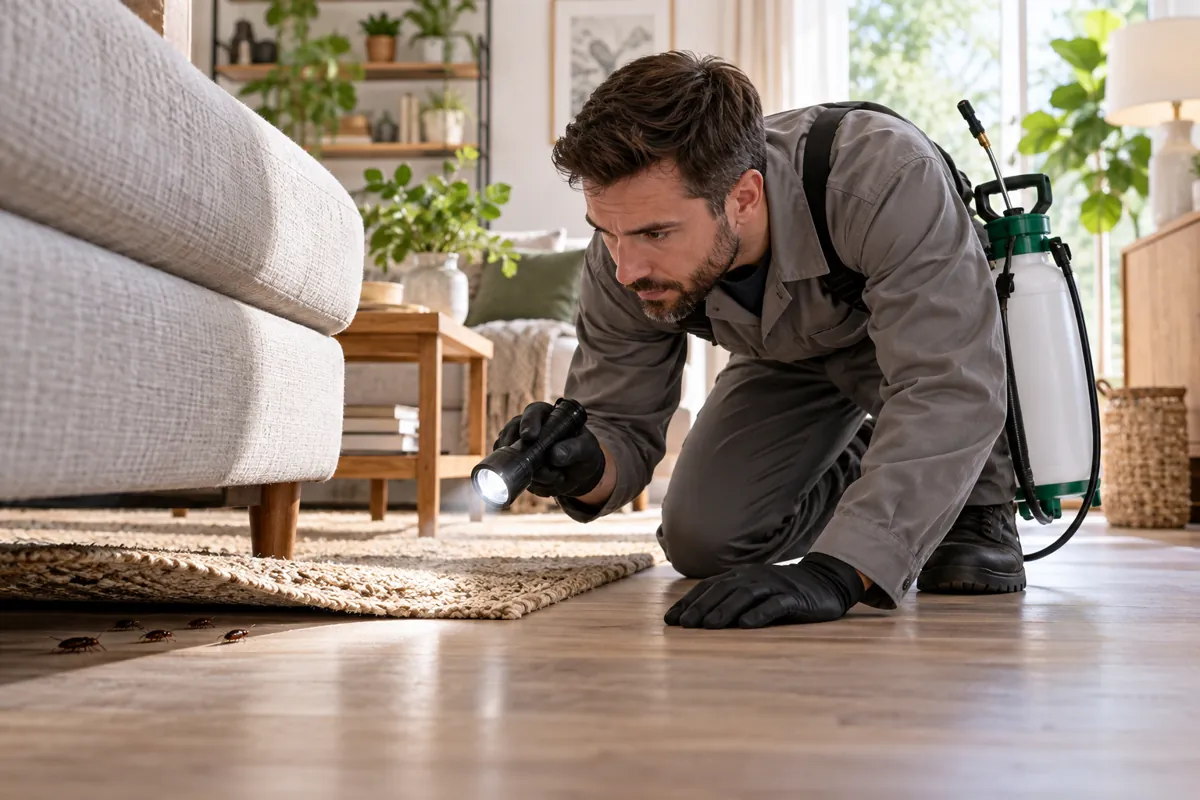
Initiating pest control begins with a comprehensive inspection. This process involves checking common entry points such as plumbing openings, vents, pipes, and openings around doors and windows. Trained professionals often use ultraviolet light, traps, or adhesive boards to locate pests like cockroaches, rodents, or bed bugs.
Once identified, treatment plans are tailored to the specific infestation. For minor issues, DIY solutions like insect traps or sprays might suffice. However, severe or recurring problems often require professional intervention. A typical treatment plan for an apartment with a bed bug infestation involves multiple visits, with each lasting approximately 30 to 60 minutes.
For large-scale infestations, such as termite swarms affecting hundreds of meters of wood structures, fumigation or soil treatment with termiticides becomes necessary. These treatments can cost from 500 to 2,000 euros depending on the infestation size and property complexity.
Post-treatment, ongoing monitoring remains vital. Regular inspections can detect early signs of re-infestation. Homeowners should also maintain cleanliness by removing clutter, storing food securely, and reducing moisture. Physical barriers like screening vents and sealing entry points further prevent pests from returning.
Documenting pest activity assists in evaluating control effectiveness. Some companies provide digital tracking systems that record pest sightings and treatment timelines, enabling more precise management.
In agricultural settings, pest control extends to crop protection, with methods including crop rotation, biological agents, and targeted pesticide application during vulnerable crop stages to prevent yield loss. Integrated methods serve as sustainable alternatives to heavy chemical reliance.
Implementing pest control measures also involves educating occupants about behaviors that attract pests and practices that deter them, fostering a proactive prevention culture.
Common mistakes
One frequent error is ignoring early signs of infestation. Waiting until pests become visible can lead to more complicated and costly treatments. For example, a small termite colony can mature within three to eight years, causing significant structural damage before detection.
Using over-the-counter pesticides improperly is another problem. Misapplication or exceeding recommended dosages can harm humans, pets, and beneficial insects, and ultimately fail to eliminate pests effectively. Data from the European Pesticide Database indicates that approximately 15% of pesticide misuse occurs due to lack of proper training.
Relying solely on chemical treatments without addressing underlying causes, such as clutter or moisture issues, often results in recurrence. For instance, treating cockroaches without sanitation and sealing entry points only provides temporary relief.
Neglecting professional advice may also lead to ineffective control. Pest control specialists can identify pests accurately and recommend suitable, often integrated, solutions. DIY methods may manage minor issues but can be ineffective for severe infestations, resulting in ongoing problems and increased expenses.
Expert recommendations
Professionals advise conducting regular inspections—at least twice annually—to identify early signs of pests. In areas prone to infestations, such as basements or attics, quarterly checks help maintain control. Using monitoring devices can improve detection accuracy, especially for hidden pests such as termites and rodents.
Choosing environmentally friendly treatments can reduce ecological impact. For example, biological control agents, insect growth regulators, and low-toxicity baits provide effective alternatives to conventional pesticides. The Pest Control Association recommends integrated approaches combining physical, biological, and chemical methods tailored to specific situations.
Education plays a vital role. Homeowners and facility managers should receive training on pest biology, entry points, and sanitation practices. Simple actions like removing standing water, storing food properly, and cleaning regularly can decrease pest attractants by up to 70%.
When dealing with large infestations or recurring problems, hiring licensed pest management professionals becomes essential. They can develop long-term management plans, ensure safety compliance, and utilize advanced treatments unavailable to the general public. Their expertise reduces the risk of pesticide misuse and improves overall effectiveness.
Conclusion
Pest control involves a comprehensive approach that includes identification, prevention, and targeted treatment methods. Proper understanding of pest behavior and lifecycle helps develop strategies that are both efficient and sustainable. Routine inspections and proactive measures serve as effective tools against common pests that threaten health and property.
Adhering to professional advice, avoiding common mistakes, and employing integrated strategies ensure long-term pest management. This approach minimizes risks, reduces costs, and maintains a safer environment for all occupants.