Payment Apps & Fintech
PayPal, Venmo, Cash App, Stripe, Plaid and other fintech tools
Introduction
Payment applications and fintech platforms have transformed how individuals and businesses handle financial transactions. Instead of relying solely on traditional banks and cash, millions worldwide now use apps like PayPal, Venmo, Revolut, and Wise to send money instantly, pay bills, or manage currency conversions. This shift to mobile and digital finance solutions increases convenience, reduces costs, and enhances security for everyday financial activities.
As of 2023, the global fintech market is valued at over 175 billion US dollars, with an annual growth rate of approximately 23 percent according to Statista. The proliferation of payment apps plays a significant role in this expansion by offering alternatives to cash and card payments. Their influence is not limited to individual users; businesses utilize fintech tools to streamline payment processing, improve cash flow, and expand into new markets with ease.
Definition and core concepts
Payment apps are software platforms that enable users to conduct financial transactions via mobile devices or web interfaces. These apps often integrate bank accounts, credit/debit cards, and digital wallets to facilitate various payment methods. They operate on the principle of digital transfer, where money moves electronically from one account to another without physical cash exchange.
Core concepts include digital wallets, which securely store payment information and funds within an app. Many apps use encryption standards like AES 256-bit to protect user data. Additionally, biometric authentication—such as fingerprint verification or facial recognition—serves to enhance security and prevent unauthorized access. Payment apps also typically employ tokenization, replacing sensitive card details with unique tokens during transactions to minimize fraud risk.
Fintech refers to financial technology innovations that improve or automate financial services. It encompasses a broad range of digital solutions, including peer-to-peer lending, robo-advisors, and of course, payment apps. The core advantage of fintech and payment apps rests in their ability to reduce transaction costs, increase speed, and improve user experience compared to traditional banking methods.
How it works
Initially, users register within a payment app by providing personal information and linking their bank accounts or cards. Verification often involves identity checks to comply with anti-money laundering regulations. Once registered, users can load funds into their digital wallet from their bank account, card, or through third-party integrations. Some apps also support peer-to-peer transfers without requiring users to deposit funds first, directly transferring money from one digital wallet to another.
When a user initiates a transaction, the app authenticates their identity via passwords, PINs, or biometrics. The data is then encrypted and transmitted securely over SSL (Secure Sockets Layer). The transaction is processed either directly through banking networks or via third-party payment processors like Stripe or Adyen. Payment apps often leverage APIs (application programming interfaces) to communicate with banks and card providers in real time. This allows for instant settlement or confirmation within seconds.
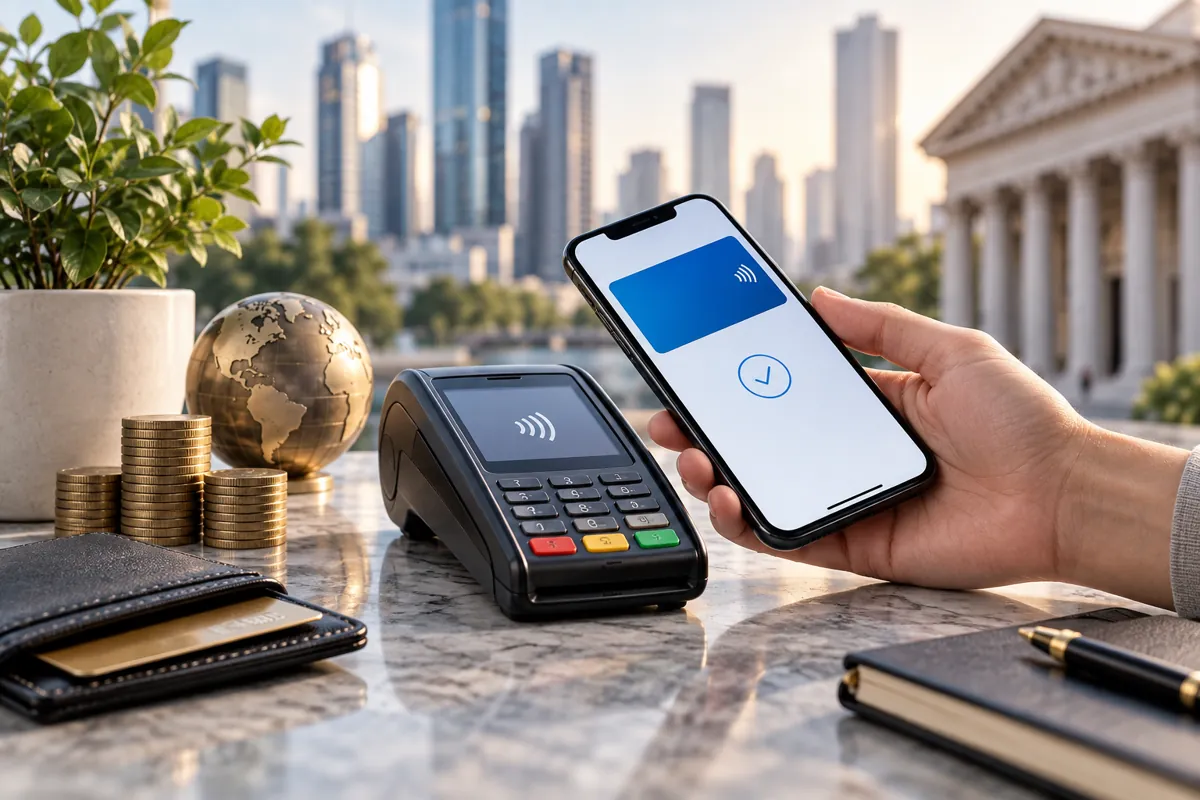
Settlement timeframes vary depending on the platform. For example, transferring money to a linked bank account via PayPal may take one to three business days, unless users opt for instant transfer services which may incur a small fee. Mobile payments at point-of-sale terminals use near field communication (NFC) technology to complete transactions contactlessly, often in under a second.
Many payment apps support additional services, such as currency conversion. Apps like Revolut or Wise perform real-time exchange rate calculations, allowing users to spend abroad with minimal fees—sometimes as low as 0.5 percent on currency conversions. Also, fraud detection systems analyze transaction patterns to flag suspicious activity, reducing the risk of unauthorized charges.
Practical application
Individuals rely on payment apps daily. Sending money to family members can be completed in seconds, regardless of their location. For example, a user in Estonia can split a dinner bill with friends in Spain seamlessly through a platform like Wise or Revolut. These apps also support batch payments, making it practical for small businesses to manage payroll or supplier invoices efficiently.
In e-commerce, payment apps offer a quick checkout process. Customers can opt for PayPal or Apple Pay at checkout, reducing cart abandonment rates. For businesses, integrating these apps via API simplifies payment acceptance, lowers transaction fees, and supports multiple payment methods within a single platform. Shopify stores, for instance, often offer PayPal, Google Pay, and Klarna options, increasing conversion rates by catering to customer preferences.
Financial institutions incorporate fintech solutions to optimize operations. Banks deploy mobile apps allowing customers to deposit checks via smartphone photos, transfer funds between accounts instantly, and set up recurring payments. For example, apps like Monese provide instant account creation and card delivery, reducing onboarding times from days to minutes. SMEs use fintech tools to analyze cash flows, forecast revenue, and intuitively manage expenses, contributing to business growth and financial stability.
International transactions benefit significantly from fintech-enabled currency exchange. Companies engaged in cross-border trade use apps to pay overseas suppliers or receive international payments with competitive rates. TransferWise, now Wise, reports processing over 9 billion USD in cross-border transfers annually, with average fees of approximately 0.45 percent. This approach saves businesses an average of 3-5 percent compared to traditional banks.
Most payment apps also integrate with other digital services. For instance, in Estonia, apps like Payns allow users to settle utility bills, top up prepaid services, or donate to charities directly within the platform. This ecosystem approach creates a seamless financial experience, consolidating multiple activities into a single interface.
Common mistakes
One frequent error is neglecting security measures. Users often fail to enable multi-factor authentication or leave default passwords unchanged, increasing vulnerability to hacking. It remains advisable to utilize biometric login features and regularly update app passwords.
Another mistake involves misunderstandings about transaction limits. Some apps impose daily or monthly caps—PayPal, for example, may limit sending amounts to 10,000 USD per transaction or 60,000 USD per 30 days—yet users often overlook these restrictions, causing payment declines during large transfers.
Failing to verify account information correctly can lead to delays. In some cases, incomplete KYC (know your customer) processes result in account restrictions, especially when handling cross-border payments. Accurate and full documentation expedites approval and reduces complications during transactions.
Additional pitfalls include ignoring hidden fees. Certain apps charge for currency conversions, instant transfers, or email transactions. For example, a user unaware of a 1.5 percent fee on currency conversion may end up paying more than expected. Reviewing fee structures prior to large transactions minimizes surprises.
Expert recommendations
It is beneficial to use platforms with robust security protocols, including end-to-end encryption and biometric authentication. Choosing well-established services like Revolut or Wise offers added protection through transparent fee structures, strong customer support, and regular security updates.
When handling international transactions, opt for apps that provide real-time exchange rates and low conversion fees. Regularly comparing rates between platforms can save up to 2-3 percent on currency exchanges, translating into substantial savings over frequent transfers.
For business users, integrating multiple payment options directly into existing sales platforms enhances customer experience and reduces cart abandonment. API compatibility and seamless reconciliation features streamline cash flow management. Also, setting transaction limits aligned with operational needs can prevent unnecessary transfer failures.
Lastly, staying informed about the legal and regulatory environment is key. Payment apps operating across borders comply with local policies like PSD2 in the European Union, which mandates strong customer authentication. Following these developments ensures continued access and security during transactions.
Conclusion
Payment apps and fintech solutions continue to evolve at a rapid pace, offering faster, cheaper, and more secure ways to manage money. Their application ranges from personal transfers to complex business operations, reflecting their versatility and importance in modern finance.
Adopting these tools requires understanding their core concepts, proper usage, and awareness of common pitfalls. As the fintech landscape expands, informed choices can lead to significant savings and improved financial control.