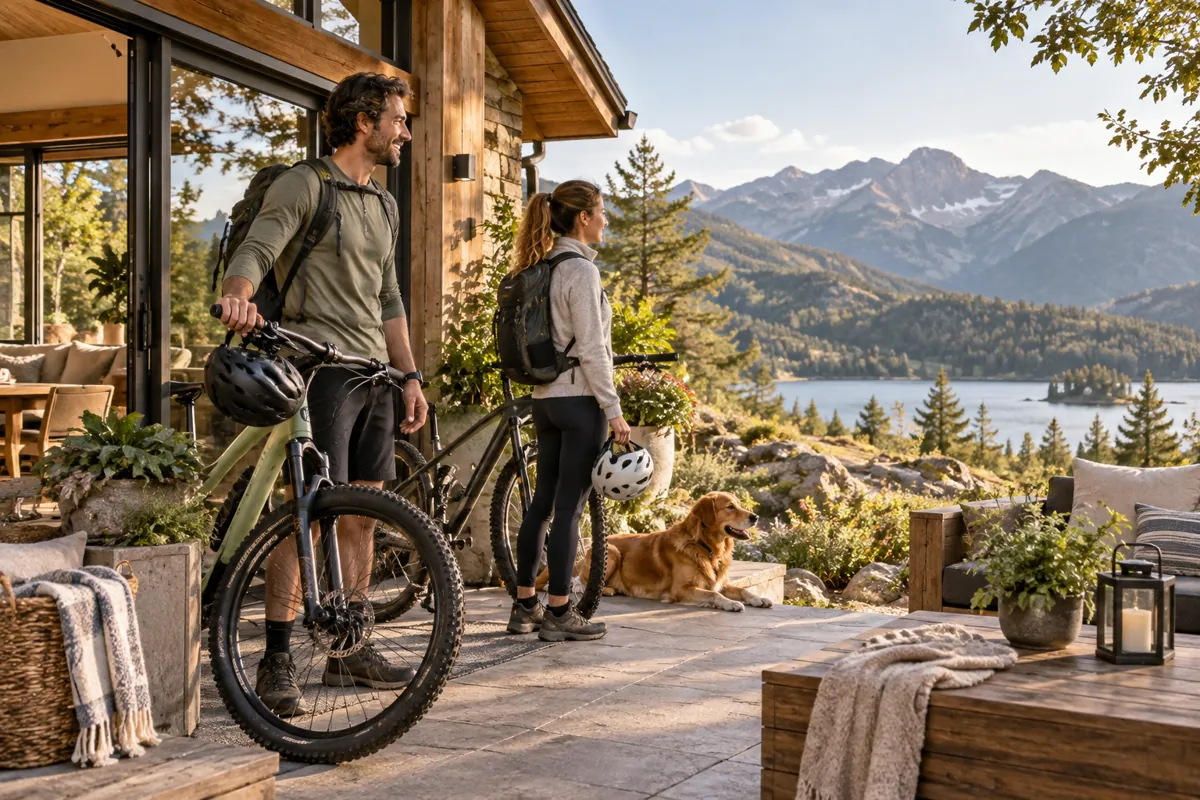
Bikes & Outdoors
Bike types, buying advice, commuting and gear
Introduction
In the world of outdoor activities, cycling stands out as a versatile and accessible way to explore nature, improve health, and reduce environmental impact. With over 2.5 billion bikes in use worldwide according to the World Bank, it is clear that biking is more than just leisure—it is a part of everyday transportation and recreation for many. For enthusiasts and newcomers alike, understanding the essentials of bikes and outdoor riding enhances safety, enjoyment, and efficiency.
This comprehensive guide covers core concepts, how bikes work, practical tips for outdoor adventures, common mistakes, and expert advice. Whether you are planning a mountain trail ride or urban commute, grasping these fundamentals will help you make informed decisions and get the most from your outdoor biking experiences.
definition and core concepts
Bikes, also known as bicycles, are two-wheeled vehicles propelled primarily through pedaling. They operate via a chain drive that transfers power from the rider's legs to the rear wheel. Bikes are categorized into various types depending on design, purpose, and terrain—mountain bikes, road bikes, hybrid bikes, and more. Each type features specific frame geometries, tire sizes, and component configurations to suit different riding styles.
Essential components of a bicycle include the frame, wheels, drivetrain, brakes, handlebar, saddle, and suspension systems. The frame, typically made of aluminum, carbon fiber, steel, or titanium, provides structural integrity. Wheel size varies from 26 inches in mountain bikes to 700C in road bikes, influencing speed and handling. Braking systems might be rim brakes, disc brakes, or drum brakes, each offering distinct advantages based on riding conditions.
Understanding core concepts such as gear ratios, tire pressure, and riding posture is vital. For example, low tire pressure (around 30-50 PSI depending on terrain) increases grip on rough surfaces, while high pressure (about 80-100 PSI) reduces rolling resistance on smooth roads. Gears allow adjusting pedaling resistance, enabling easier climbs or faster speeds. Proper seat height and handlebar position influence comfort and efficiency during long rides.
Choosing the right bike depends on planned use. Mountain bikes are built for off-road trails and feature wider tires and suspension systems. Road bikes prioritize speed and efficiency, with lightweight frames and narrow tires. Hybrid bikes combine features of both to handle urban streets and light trail riding. Matching the bike type to your activities enhances performance and enjoyment.
how it works
A bicycle operates through a chain-drive system, where pedaling applies force to the crankset, turning the chain, which then spins the rear wheel. The gear system allows the rider to adjust mechanical advantage, making pedaling easier on inclines or enabling higher speeds on flat terrain. Derailleur gears, common on most bikes, consist of multiple sprockets and a derailleur mechanism to shift chains between gears.
Braking systems play a crucial role in controlling speed and ensuring safety. Rim brakes press brake pads against the wheel rims, suitable for dry conditions and lightweight bikes. Disc brakes use a rotor attached to the wheel hub and calipers to clamp onto it, providing better performance in wet or muddy conditions—often found on mountain bikes and touring models.
Suspension components absorb shocks from uneven terrain. Front suspension forks are common on mountain bikes, with some advanced models integrating rear suspension (full suspension). These systems improve control and comfort on rough paths, reducing fatigue and preventing accidents caused by loss of control.
Power transmission efficiency depends on the quality and maintenance of parts. Proper lubrication of chains, regular check-ups of gears, and correct tensioning prevent energy loss and prolong component lifespan. Bikes with high-quality drivetrains, such as Shimano or SRAM, boast precise shifting and durability, especially critical in demanding outdoor settings.
Handling characteristics are influenced by frame geometry, weight distribution, and tire selection. Mountain bikes with slack angles offer stability on descents, while road bikes with steep angles promote agility on paved surfaces. Correctly balanced bikes respond swiftly to rider input, decreasing fatigue over long distances.
practical application
Outdoor biking spans a wide range of activities, from leisurely rides in parks to demanding mountain trails. For city commuting, bikes like hybrids with puncture-resistant tires and integrated lights are preferred. They offer comfort and safety in urban traffic, with features such as fenders, racks, and chain guards for practicality. A typical daily commuter bike weighs approximately 12-15 kilograms and can cover distances up to 30 kilometers per hour in urban environments.
Trail riding on mountain bikes involves navigating dirt paths, rocky terrain, and steep inclines. These bikes often feature suspension travel from 100mm to over 200mm, wider tires (2.1 to 2.5 inches), and robust frame construction. Riders should expect climbs of 10-20% gradients over distances of 2-10 kilometers, emphasizing the need for proper gearing and body positioning.
Long-distance touring demands bikes with durability and carrying capacity. Typically, touring bikes include multiple mounting points for panniers, racks, and extra water bottles. A popular setup involves a steel or aluminum frame with a relaxed geometry, enabling 80-100 kilometer rides daily over several weeks. Proper gear selection, such as 24-30 gear ratios, ensures efficiency on varied terrains.
For off-road adventures, mountain bikers use trail and downhill bikes for technical descents and jumps. These models feature advanced suspension systems, wide handlebars for control, and aggressive tires. Riders often tackle single tracks that are 1 to 3 meters wide, with elevation changes exceeding 500 meters over 10 kilometers, requiring skilled handling and preparedness.
Safety gear is integral across applications. Wearing helmets, reflective clothing, gloves, and eye protection significantly reduces injury risk. Regular maintenance, including brake adjustment, tire inspection, and lubrication, ensures safety and prolongs bike lifespan. Establishing a pre-ride checklist helps identify potential issues before heading out into the outdoors.
Training for outdoor riding involves building endurance and technical skills. Beginners should start with short rides on familiar terrain, gradually increasing distance to 20-30 kilometers. Professional training programs or local clubs can provide guidance on obstacle navigation, trail etiquette, and emergency procedures.
Understanding local regulations and trail rules is essential. Many parks and mountain areas have designated biking zones and restrictions to protect ecosystems. Respect for the environment and fellow riders fosters sustainable outdoor recreation practices and prevents conflicts.
Gear choices significantly impact ride quality. For example, choosing wider tires (2.3 inches or more) improves traction on loose surfaces, while lightweight handlebars enhance control. Pedals should match riding style; clipless pedals offer efficiency for racing, whereas platform pedals favor casual riding and comfort.
common mistakes
One frequent error is neglecting regular maintenance. Failing to check brake pads, chain wear, or tire pressure can lead to breakdowns or accidents. For instance, riding with underinflated tires (below 30 PSI for mountain biking) increases the risk of pinch flats and reduces control.
Another common mistake involves improper gear shifting. Shifting gears under heavy load causes chain derailment or excessive wear. It is best to shift when pedaling lightly or stationary, especially during climbs or descents.
Using the wrong bike for terrain is also problematic. Riding a lightweight road bike on rocky mountain trails can compromise safety and damage the frame. Selecting a bike suited to the terrain ensures durability and better handling.
Additionally, ignoring safety gear and trail etiquette can lead to injuries or conflicts. Not wearing a helmet or reflective clothing diminishes protection, and failing to yield to pedestrians or other riders can cause accidents.
Overloading or improperly packing panniers on touring bikes can affect balance. Excess weight on one side shifts the center of gravity, reducing stability, especially on uneven surfaces. Distributing gear evenly and securing loads properly is essential.
Lastly, setting unrealistic expectations regarding riding difficulty or endurance can result in fatigue or injury. Beginners should choose manageable routes and gradually increase difficulty, allowing the body to adapt and prevent setbacks.
expert recommendations
Maintaining a regular bike checkup schedule enhances performance and safety. Servicing major components such as the drivetrain, brakes, and suspension every 1000 kilometers or before long trips is advisable. Utilizing a professional mechanic for detailed inspections can prevent unexpected failures.
Investing in quality gear and parts pays off. Components from reputable brands like Shimano Deore or SRAM SX offer durability and smooth operation. High-quality tires with puncture resistance, such as Continental Mountain King or Schwalbe Marathon, extend ride time and reduce flats.
Proper bike fit is fundamental. Adjust saddle height so that the knee has about a 25-35 degree bend when the foot is at the pedal's bottom. Handlebar position influences comfort and control; a slightly raised handlebar reduces strain on wrists and back. A precise fit minimizes fatigue during extended outdoor excursions.
Training for technical skills, such as obstacle navigation, cornering, and braking, improves safety and confidence. Many cycling clubs and outdoor centers offer guided sessions that address these aspects, enabling riders to handle diverse trail conditions.
Planning routes carefully and knowing terrain details are vital. Using GPS devices like Garmin Edge or Komoot provides detailed maps and elevation profiles. Familiarity with trail difficulty ratings—ranging from easy (Class 1) to very difficult (Class 4)—helps match routes to rider skill levels.
Adopting sustainable practices, such as avoiding trail congestion by riding during off-peak hours and sticking to established paths, protects natural habitats. Carrying reusable bottles and minimizing litter also contributes to eco-friendly outdoor recreation.
Conclusion
Bikes and outdoor riding encompass a broad spectrum of activities suited for various terrains and rider preferences. Understanding the core components, how bikes operate, and proper application methods enhances safety and enjoyment. Avoiding common mistakes and following expert advice ensures sustainable and rewarding outdoor experiences.
Whether commuting, trail riding, or touring long distances, a well-maintained, appropriately selected bike paired with knowledge and preparation proves essential. As cycling continues to grow worldwide, informed riders are better equipped to explore safely and responsibly.